

Environmental impactEnvironmental Impact

Environmental impact

Download
section PDF

Climate responsibility is a material priority for mci group. In 2025, we strengthened data quality, aligned with recognised standards and progressed our net zero pathway, building the foundations for a clear transition plan with defined baselines, scopes and targets. We lead with transparency, acknowledge where we stand today and commit to measurable, meaningful progress over time.


Carbon footprint and emissions monitoring

We monitor our carbon footprint across Scope 1, 2 and 3 emissions using a centralised reporting system aligned with the GHG Protocol and SBTi requirements. Data is collected annually across all regions, covering energy, travel, purchased goods, assets, production activities and digital use. In 2025, we expanded categories, improved traceability and strengthened year-on-year comparability.

922
training sessions received by our talents.

Raising awareness about climate change

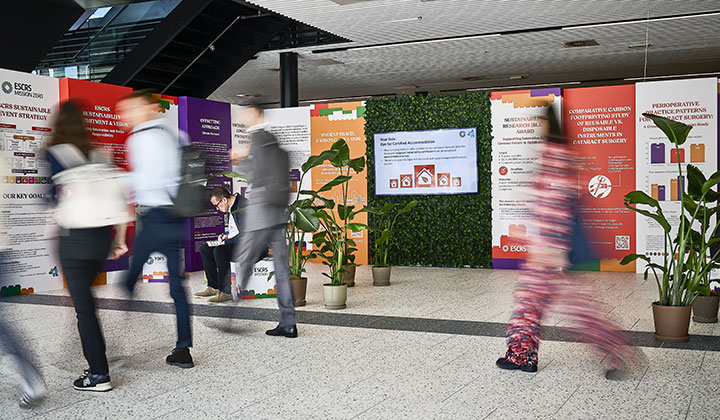
Raising awareness is essential to lasting change. We foster a culture where sustainability is understood, shared and acted upon. Through onboarding, training, internal campaigns and leadership-led dialogue, we inspire our talents to take climate action — in the workplace and beyond. In 2025, we strengthened engagement across regions, embedding sustainability into everyday behaviours and decisions.

922
training sessions received by our talents.
Circular by design

Circular by design

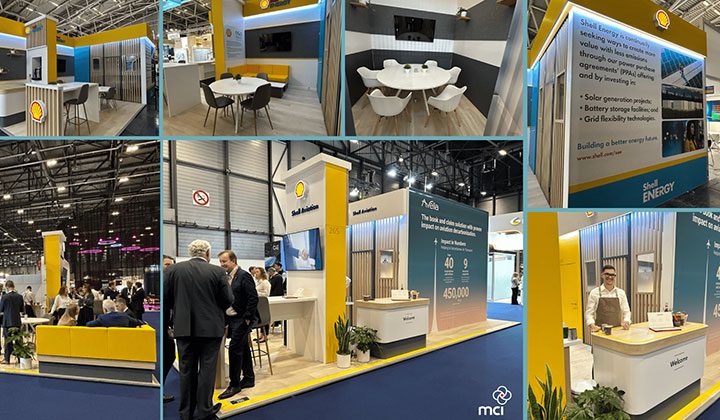
Circularity starts at design. We apply reduce—reuse—repurpose principles across offices and client projects, prioritising rental, reuse and second-life solutions. From scenography to catering and materials, circular thinking shapes decisions long before delivery. Measuring waste and material flows helps teams identify reduction opportunities and embed circular practices that lower impact while enhancing creativity and efficiency.

48
projects delivered with a carbon footprint assessment

Turning measurement into action for our clients

We support clients by measuring and reducing the environmental impact of their projects. Using recognised methodologies, we assess event carbon footprints and identify reduction levers across travel, production, logistics and operations. Since 2023, footprint tracking has enabled more informed decisions, transparent reporting and practical pathways to lower-impact delivery—turning sustainability ambitions into measurable action.

48
projects delivered with a carbon footprint assessment

Sustainable working environment and digitisation

We combine sustainable working environments with responsible digitisation to reduce impact while supporting performance. Our sustainable office guidelines promote energy efficiency, waste reduction and responsible purchasing across locations.

In parallel, digital transformation enables smarter ways of working.


Cloud migration, collaboration tools and digital sobriety initiatives reduce energy use, travel and data storage. Clear IT governance, lifecycle management of equipment and responsible AI practices ensure technology supports both sustainability and resilience. Together, physical and digital choices reinforce lower-impact, future-ready operations.